Across the expanse of historic epochs,
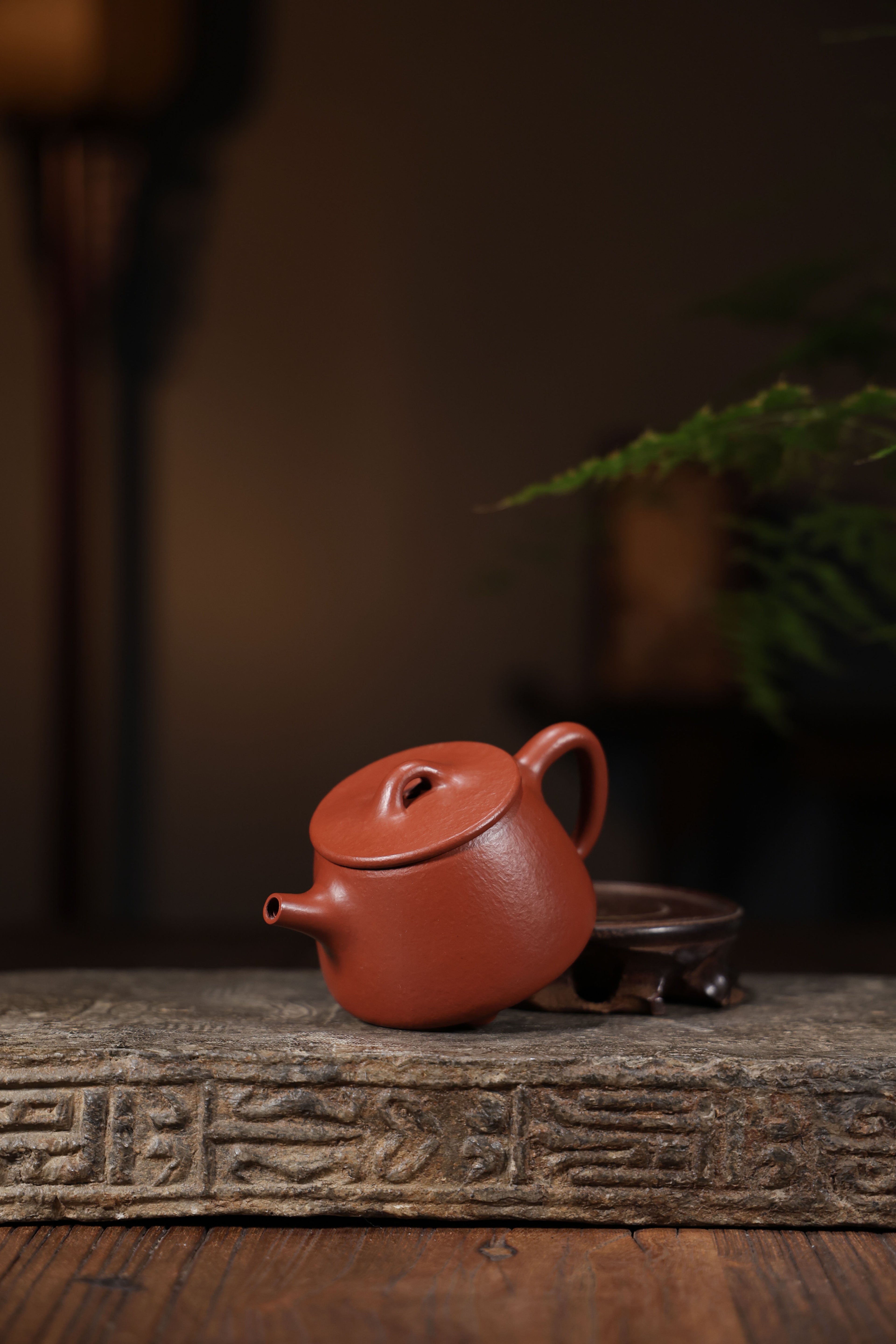
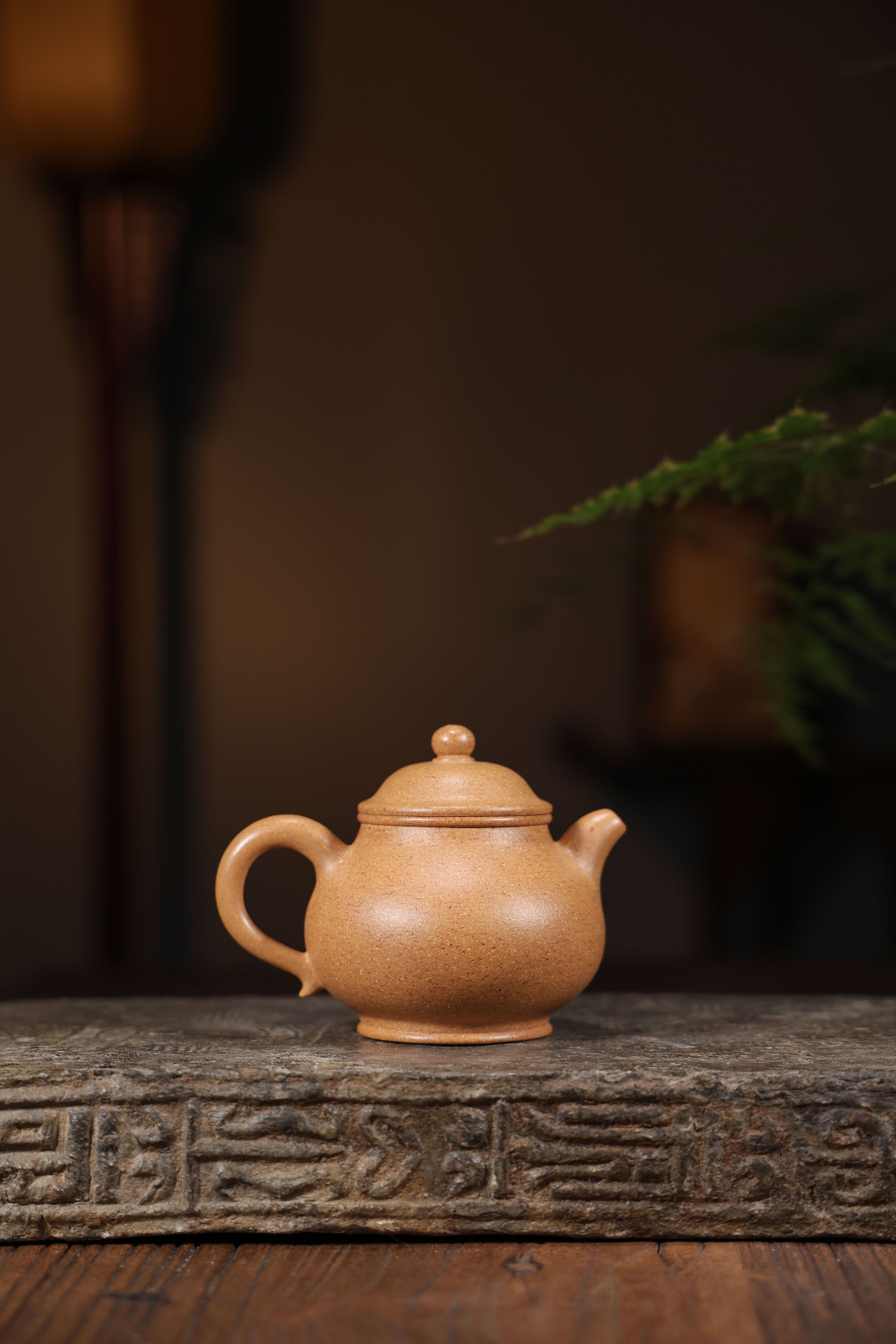
Within centuries, devotees have been absorbed by the unique charm of Yixing Zisha kettles. Originating from the locality of Yixing in the region of Jiangsu, these implements are renowned for their prominent beauty, extraordinary clay, and built-in ability to refine the note of tea. The clay's distinctive mulberry hue, combined with the skillful production of environmental builders, creates works that are concurrently functional masterpieces and esteemed valuables. Gaining a Zisha teapot is more than just one purchase; it's immersing oneself in a rich traditional heritage.
Decoding Yixing Teapots: Origins, Types, and Esteem
Famous Yixing teapots manifest a extensive heritage deeply intertwined with Chinese culture. Emerging in the Yixing region of Jiangsu province, these clay vessels possess a heritage stretching back to the Ming Dynasty. Early copyrightples were functional, but through centuries, Yixing teapot fabrication evolved into an esteemed art form. The clay itself, known for its unique structure and ability to enhance the flavor of the tea, continues a defining factor. Yixing teapots emerge in various patterns, broadly categorized by shape: Traditional such as Zhuni (purple clay) and Bisheng, as well as custom designs. The esteem of a Yixing teapot varies on several factors, including the potter’s fame, the age of the piece, the rarity of the clay, and its aesthetic grace.- Chronology: Early periods
- Clay: Assorted selections
- Valuation Parameters: Artisan fame
Zisha Claycraft: Skills and Makers
Unique crafting of a bona fide Zisha teapot is a complicated process, requiring years of competency. Experienced artisans meticulously select the best Zisha clay, a distinctive earth found only in specific regions of China. Heritage-based techniques, often handed down through families, involve rigorous shaping, refined carving, and patient firing in ancient hearths. The final teapot isn't merely a holder; it's a testament to artistic vision and the intense connection between the potter and their ancestry. Each piece showcases the distinctive touch of the specialist, resulting in a truly unparalleled work of masterpiece.
Traditional Artefacts: Uncovering the Profound Customs of Yixing Province
This Yixing, placed in Jiangsu Province, is universally renowned for its exceptional containers – a tangible representation of centuries of Chinese craft. Purple Clay Teapot These aren't merely vessels for infusing tea; they are intricate works of craft, often reflecting historical ideals. That unique purple clay, known as Zisha, possesses uncommon qualities: it is dense, absorbent, and imparts a subtle tone to the tea.
- Several households have honed the techniques of Yixing container making, passing down traditional methods through lineages.
- Admirers prize these pieces for their charm and uniqueness.
- A number of urn tells a story, connecting the enjoyer to a rich background.
Exploring Yixing Zisha: What to Look For
As evaluating obtaining Yixing Zisha earthenware, a range of factors warrant careful evaluation. First of all, the soil's pigment is paramount; authentic Zisha traditionally exhibits a pronounced reddish-brown shading. Moreover, assess the technique; clear aspects and a sleek overlay demonstrate expert fabrication. In conclusion, review the craftsman's standing; well-known names garner elevated costs and often guarantee a better appreciation.
Brewing Excellence with Zisha Teapots
Crafting flavorful tea with a Zisha vessel is more than a simple custom; it's an skill. Zisha clay, noted for its unique natural composition, imparts a refined character to the prepared tea that’s often absent with other devices. The appropriate water level is required; typically, gentler than what's used for black tea, to preserve the tea's essence and quality. Consider meticulously the tea selection; delicate green teas or aged pu-erhs benefit from the Zisha’s ability to lessen their original edge. It’s necessary to warm the teapot leading up to brewing, and to eschew over-steeping. Mastering this practice leads to a truly exceptional tea instance.
- Learning Zisha Clay
- Thermal Condition of Water & Tea Type
- Benefit of Warming
Safeguarding Your This Teapot
To ensure prolong the longevity of your cherished Yixing vessel, systematic preservation is vitally mandatory. Refrain from using synthetic products; instead, carefully wash it with mildly heated solution. Ward off abrupt swings; please don't situate the kettle directly onto a hot base. Periodically, season the pot by brewing it with top-notch puerh liquid, as this helps to increase its character and defends the exclusive traits of the element.
Concerning Substance to Vessel: The Course of a Classic Container
A creation of a Zisha teapot is a astonishing system, a testament to both the globe's bounty and the mastery of the maker. It launches with the careful extraction of the singular clay from the burgundy Zisha mines near Yixing. This untreated material, known for its magnificent qualities, is then gradually filtered and organized for the first forming. The container's profile is expertly made using a fusion of established hand-building techniques, often incorporating ornate figurings. Following drying, the pot undergoes a crucial first firing, joined by a polishing stage, which might involve multiple layers of organic Zisha solutions. Finally, a second, and sometimes third, firing at elevated temperatures finishes the product, revealing its finished beauty and exceptional characteristics - a genuine masterpiece, available to enrich a tea event.
{Yixing Teapots: A Sign of the Legacy and Valuation
Famous Yixing teapots, originating from the renowned Yixing region of Jiangsu province, are far more than mere vessels for brewing the beverage; they represent a deep aspect of Chinese artistry. Formed from distinctive purple clay – zisha – these remarkable teapots are highly treasured for their ability to complement the flavor of the tea and, crucially, for their artistic merit. The tradition of Yixing teapot making spans centuries, and the expertise involved is transmitted through generations, making each teapot a beautiful object that embodies classical techniques and a profound appreciation for the refined pleasures in life.