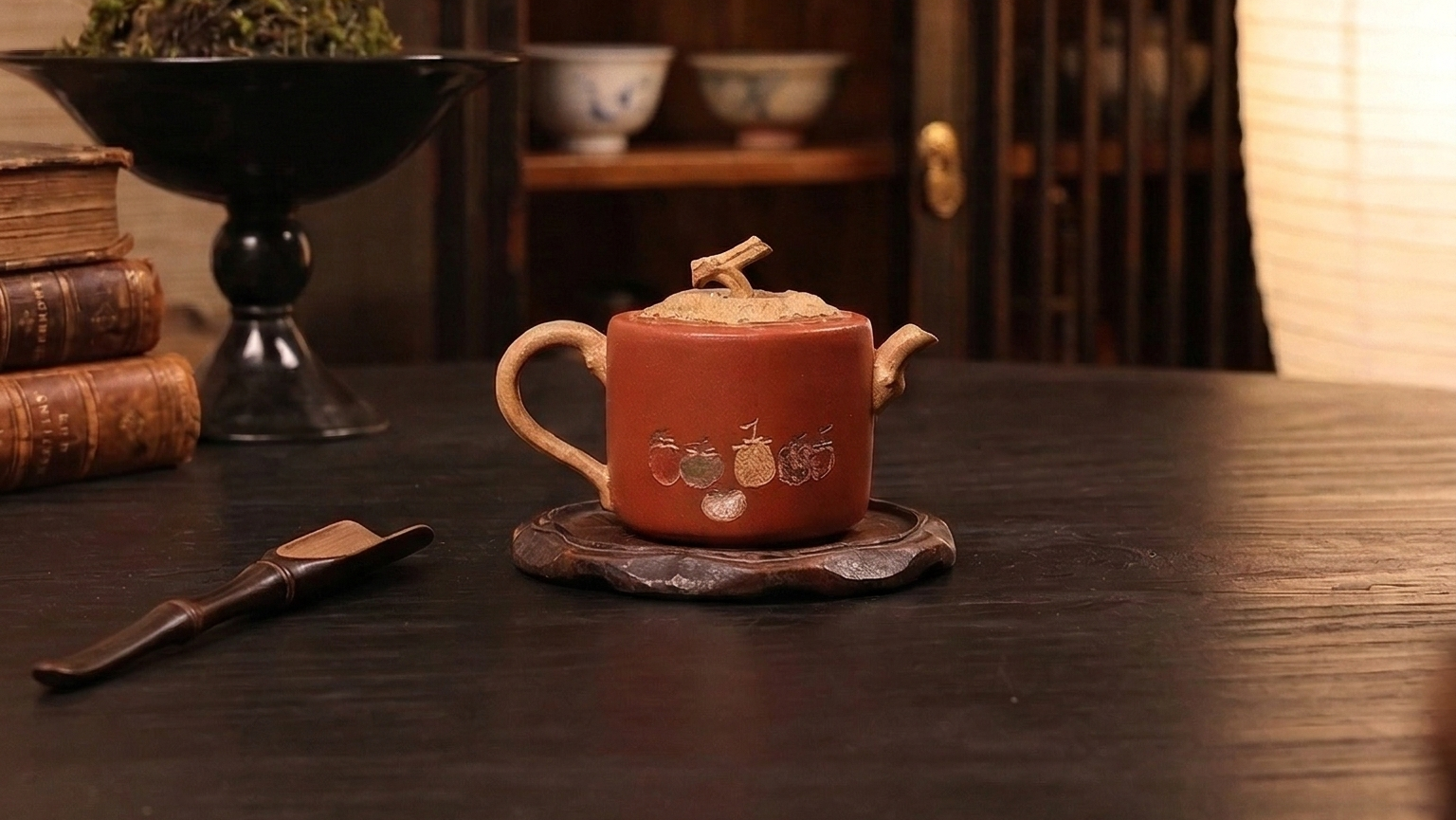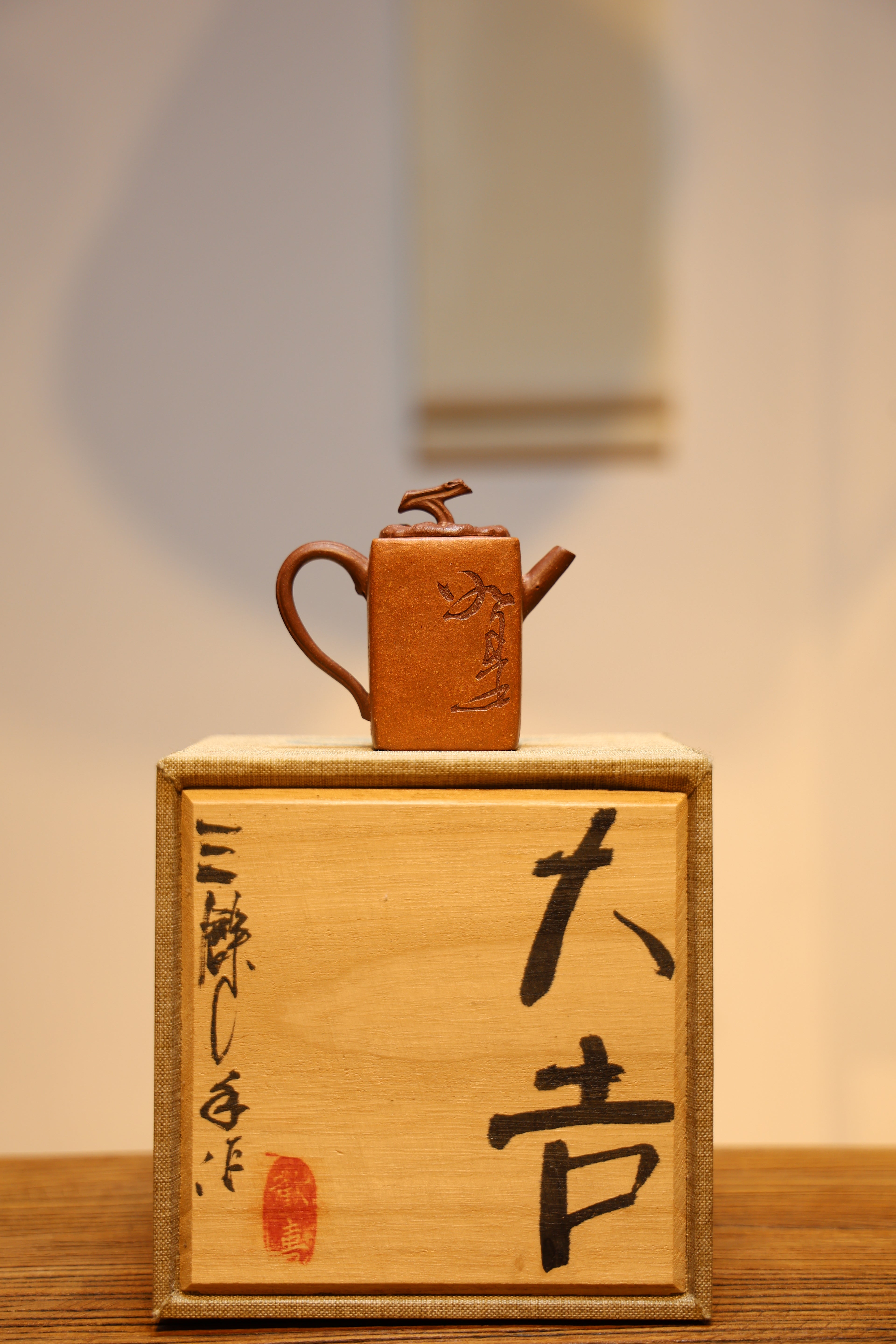
Millennia of devotees have pursued the particular enchantment of Yixing Zisha pots. Coming in the cozy town of Yixing, the state, these containers are fabricated from a singular and mined purple clay noted for its premium thermal elements and efficacy to intensify the bouquet of beverages. Apart from their functional appeal, Zisha teapots exemplify a vast heritage tradition, designating them markedly coveted and a authentic gem for any zealous teapot collector.
Examining Yixing Earthenware
These teapots display a extraordinary combination of history and artisan craftsmanship. Existing in Yixing, Jiangsu District of China, their narrative traces to the Ming Dynasty, although clues suggest earlier expressions. The singular burgundy clay, called Zisha, found specifically in the Yixing region, is the key component, contributing to the pots' impressive heat holding and the manner they impact the character of tea. Lineages of potters have polished techniques—often bestowed through families—including shaping the clay, applying exquisite embellishments, and firing the pots at specific temperatures.- Earlier, Yixing teapots were often embellished with simple designs.
- Later, more detailed carvings and pictorial motifs became usual.
- The baking procedure itself is a key element, requiring prolonged intervals of experience.
Collecting Zisha Teapots: Vital Considerations
Launching a mission to gather Zisha pitchers can be satisfying, but it’s required to understand what to seek. Authenticity is principal; focus on the substance’s natural hue, a soft reddish-brown is conventional. Examine the feel; genuine Zisha has a special tactile sensation, often expressed as slightly uneven. The contour should be symmetrical and consistent with historical styles, while inscriptions, if present, require painstaking examination for validity. Don’t resist to consult with qualified collectors or trusted resources – their understanding is priceless.
Traditional Containers: Researching the Tradition of this Yixing Clay
Eons have seen Yixing Rare Clay teapots hold a important role in Chinese legacy. These exquisitely made pots, sourced primarily from the locality of Yixing, are well-known for their peculiar pigmentation, composition, and their ability to improve the Yixing Zisha Teapot flavor of infusions. Countless collectors chase antique Yixing teapots, estimating them considerably not only for their aesthetic elegance, but also for the chronicle they portray.
Yixing Zisha Teapots: Exceptional Ultimate Selections and Their Aspects
Ming Clay teapots, native to the celebrated section of Yixing, the state, are acclaimed for their uncommon clay and high-quality brewing aptitudes. Throughout the numerous Zisha types, those categories that are highly prized include Binzhou Purple Sand. Binzhou, known for its bold purple shade and sleek texture, delivers a moderate flavor. Duan Ni form, recognizable by its coppery color and a little grainy feel, is said to enhance tea’s heft. Lastly, Zhuni sort boasts an extraordinary ruby tone and can lend a sweet nuance. Each category yields a special experience, rendering them considerably desirable towards brew enthusiasts.
Achieving Your Ceramic Pitcher
To experience the wonder of your Yixing pitcher, mastering the correct approach is fundamental. These clay kettles, celebrated for their permeability, will gradually assimilate the heart of the tea you brew within them. Begin by cleansing the vessel thoroughly with steaming water. Then, use only fine broken leaf tea, as lower quality options can spoil the teapot’s delicate taste. Always enable the leaves to spread completely, and remember that with each serving, your Yixing container will become increasingly esteemed.
Safeguarding Your Beloved Zisha Piece
Proper care for your Zisha container is critical to securing its character and esteem. Zisha clay, known for its unique cast and composition, requires mindful handling. Never use harsh solutions, as these can damage the layer. After every brewing, rinse the kettle with lukewarm water and allow it to evacuate moisture completely.
- Avoid soaking the pot for extended sessions.
- From time to time use a soft polishing cloth to clean the exterior.
- Deliberate applying a thin layer of food-grade mineral oil inside the pot after drying, which can limit staining.
Overview of Yixing Teapots
Yixing brew vessels, originating from the Yixing zone in Jiangsu Province, of China, are celebrated for their distinctive features. Shaped from the unique purple clay known as Zisha, these containers are prized by potion enthusiasts worldwide. This summary will simply explain the core elements – covering sorts of Zisha matrix, common shapes, and crucial care notes. Understanding the genesis of Yixing clay pots can deepen your appreciation for this valued example of Sinic tradition.
Art of Zhongguo Earthenware: Examining Zisha produced in Yixing
Zisha pottery from the Yixing area represents the summit of Han kettle design, projecting a uncommon blend of earthy beauty and practical artistry. These exceptional pieces are celebrated for their intense tones, often varying from robust purples and mahogany hues to pale greys and faint beiges. The noted mineral composition of the exclusive-to-the-area Zisha substrate imparts a unique texture and delivers a welcoming aroma that heightens the aggregate potion experience, contributing to them significantly valued collectibles and necessary components of any serious ritual.