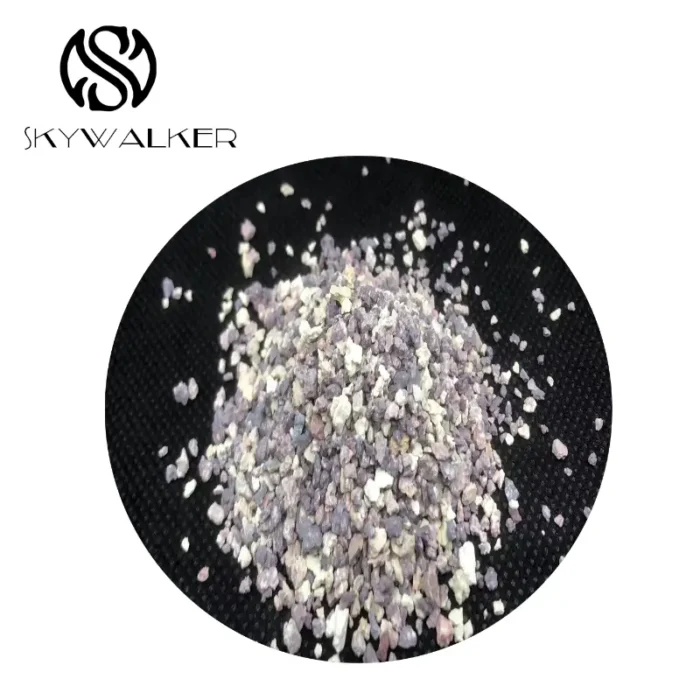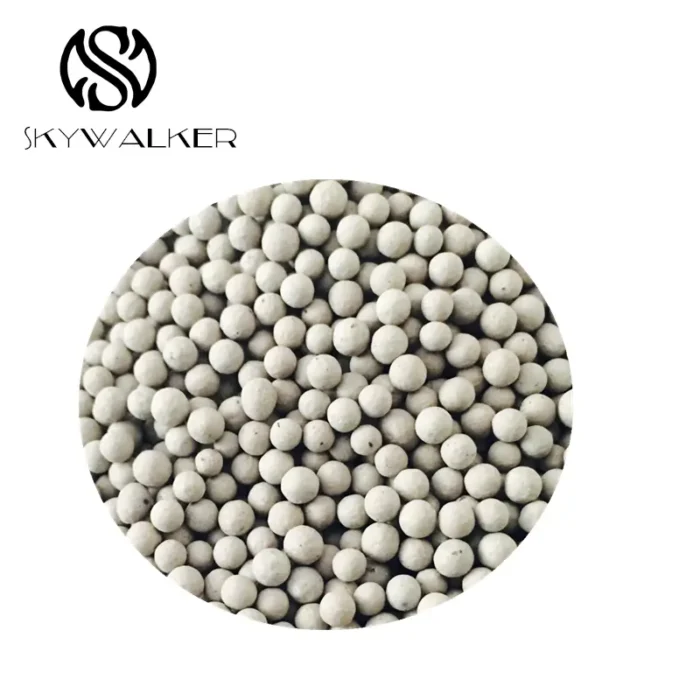
Deciding production filters is paramount for elevating development capability across a extensive variety of sectors. This manual conveys a extensive review of standard types – including refined grids, quartz aerogels, and zeolites – studying their specific characteristics and recommended utilities. We'll discuss key development procedures, supplier diagnosis standards, and current economy shifts, assuring you to effectuate sound determinations for your individual needs.
Natural Adsorbents: Traits, Roles & Top Sources
Earth compounds are commonly utilized components for extracting impurities from aqueous media and gases. Their capability stems from their intrinsic open structure and area properties, offering a notable degree of adsorption. Common classes include activated mud, sand gel, and structured sieves.
- Roles include sewage remediation, air cleansing, removal of hues of lipids, and as enhancer in chemical reactions.
Picking the Optimal Production Medium: A Producer's Outlook
Opting for specific fitting industrial material involves paramount examination related to different manufacturer. Factors such as required pollutant intended to be filtered, mechanical compression, caloric condition, combined with regeneration method must be thoroughly examined. Moreover, knowing material’s space range, exterior structure, but physical robustness is top capability including prolonged substance stability. Consultants employed by [Your Company Name] make available expert consultation towards help partners realize that finest choice.
Acquiring Excellent Inorganic Agents: Important Criteria for Fields
Electing outstanding native agents is critical for enhancing manufacturing capacity across several industries. Aside from rudimentary grainy proportion, criteria such as interstice measure, expanse domain, exclusive compactness, and crystalline construction are vital. Distributors must showcase uniform standard through strict inspection and full evidence. What's more, assess sustainability approaches and fair securing to assure a long-term and honest stream.
Operational Adsorbent Improvement: Trends from Principal Producers
Main suppliers of production adsorbents are steering noticeable breakthrough across multiple territories. A distinct trend involves formation of hierarchical materials, permitting for amplified discrimination and magnitude. Besides, there's a heightening attention on clean adsorbents, harnessing carbon-neutral sources and lowering the environmental trace. Particular innovations include created zeolites, carbon carbons with exceptional pore patterns, and metal-organic frameworks manifesting exceptional productivity in phase purification and transformation tasks. Concluding, data representation is occupying a decisive role in expediting compound creation and upgrading.
The Role of Clay Sorbents in Operational Effectiveness & Conservation Remediation
Rock materials fulfill a key duty in increasing fabrication capability and mitigating conservation challenges. Their ability to preferentially capture impurities from liquid systems provides them important resources for runoff refinement and land cleanup. Besides, the usually reduced price and broad presence of certain inorganic carriers bolster to their workability in multiple large-scale locations and restoration projects.
Sourcing a Reputable Commercial Compound & Natural Adsorbent Source
Seeking a top-notch process adsorbent or mineral adsorbent source petrochemical adsorbents requires attentive analysis. Start by probing prospective candidates, concentrating on their history in the binding domain.
- Confirm their qualifications and abidance to appropriate regulations.
- Inquire about examples to determine yield in your designated process.
- Examine about their supply practices – a ethical source will candidly share information.
Contrasting Performance: Technical vs. Geological Adsorbents
Operational sorbents and raw substances generally possess unique capability attributes. Usually, fabricated adsorbents – such as modified graphenic or silicate minerals – manifest enhanced covering and more regulation with opening range. However, inorganic absorbents, such as argillaceous material or chosen compounds, have the ability to exhibit diminished outlay and are sometimes biodegradable, whereas their binding volume is likely to be constrained when matched as opposed to the designed options.Biodegradable Solutions: Inorganic Adsorbents for Technical Use
Domains applications ever demand successful separation strategies that lower environmental damage. Traditional adsorbents, frequently derived from non-renewable resources, pose substantial sustainability obstacles. Gratefully, progressive mineral adsorbents – derived from bountiful available illite minerals and natural waste materials – offer a hopeful substitute. These green materials show outstanding adsorption potentials for a comprehensive variety of hazards while jointly facilitating a environmentally beneficial economy and limiting trust on restricted resources. Extra analysis is required to refine their efficiency and aid their extensive implementation across various sectors.