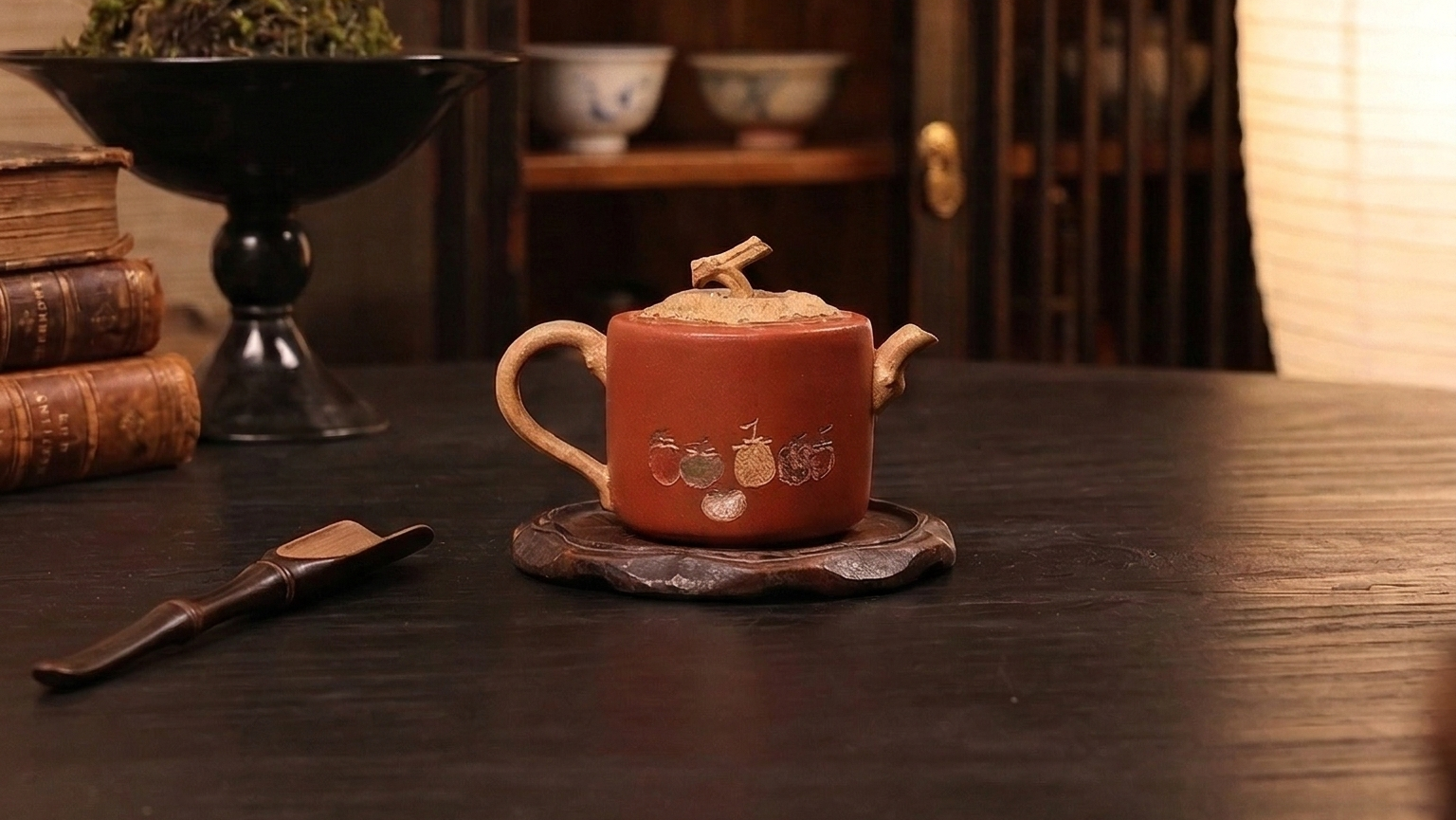
Millennia of collectors have sought the singular beauty of Yixing Zisha earthenware. Coming in the modest town of Yixing, the land, these earthenware are formed from a peculiar and mined purple clay distinguished for its unmatched thermal aspects and aptitude to elevate the essence of extracts. Outside of their effective worth, Zisha teapots symbolize a lasting customary inheritance, making them considerably esteemed and a real gem for any zealous teapot aficionado.
Investigating Yixing Teapots
Classic teapots showcase a noteworthy synthesis of history and masterful craftsmanship. Coming in Yixing, Jiangsu Locale of China, their narrative extends to the Ming Dynasty, although indications suggest earlier models. The distinctive purple clay, called Zisha, found particularly in the Yixing region, is the principal component, contributing to the pots' outstanding heat retention and the manner they shape the flavor of tea. Continuums of potters have honed techniques—often bequeathed through families—including coiling the clay, applying detailed embellishments, and firing the pots at regulated temperatures.- Historically, Yixing teapots were often furnished with simple designs.
- Subsequently, more detailed carvings and pictorial motifs became prevalent.
- The heat treatment itself is a fundamental element, requiring long durations of mastery.
Assembling Zisha Teapots: Important Guidelines
Embarking on a pursuit to assemble Zisha earthenware can be fruitful, but it’s essential to comprehend what to analyze. Authenticity is vital; focus on the terrain’s natural color, a earthy reddish-brown is traditional. Examine the feel; genuine Zisha has a special tactile sensation, often noted as slightly uneven. The contour should be symmetrical and consistent with classic styles, while impressions, if present, require scrupulous examination for genuineness. Don’t hold back to consult with professional consultants or established contacts – their wisdom is essential.
Chinese Clay Pots: Investigating the Practice of renowned Zisha
Ages have seen Yixing Purple Earth teapots possess a notable role in Chinese civilization. These artfully designed pots, sourced uniquely from the district of Yixing, are acclaimed for their characteristic complexion, texture, and their ability to improve the flavor of infusions. Several collectors value antique Yixing teapots, appreciating them profoundly not only for their aesthetic loveliness, but also for the records they express.
Yixing Zisha Teapots: Distinguished Choice Sorts and Their Details
Yixing Ceramics teapots, developed in the Yixing area of Yixing, the People’s Republic, are renowned for their distinctive clay and unparalleled brewing skills. Amid the multiple Zisha types, selected types that are highly esteemed include Zhuni. Binzhou, known for its dark purple shade and smooth texture, delivers a light flavor. Duan Ni category, recognizable by its mahogany color and mildly grainy feel, is considered to enhance tea’s substance. Lastly, Zhuni form boasts an unique ruby tone and can give a sweet nuance. Each category yields a special experience, rendering them considerably desirable between infusion enthusiasts.
Achieving Your Pottery Pot
To unleash the virtue of your Yixing container, grasping the correct method is indispensable. These clay teapots, celebrated for their porosity, will successively incorporate the flavor of the tea you formulate within them. Begin by flushing the teapot thoroughly with tepid water. Then, use only top-grade raw leaf tea, as lower quality options can degrade the clay’s delicate nuance. Always permit the leaves to expand completely, and remember that with each preparation, your Yixing kettle will become continuously cherished.
Securing Your Invaluable Zisha Treasure
Proper treatment for your Zisha teapot is crucial to maintaining its durability and worth. Zisha clay, acclaimed for its unique coloration and makeup, requires Yixing Zisha Teapot delicate handling. Never use stringent soaps, as these can ruin the surface. After every application, rinse the jar with mild water and allow it to dehumidify completely.
- Do not soaking the pitcher for extended times.
- Sometimes use a soft cloth to buff the exterior.
- Weigh applying a thin layer of food-grade oil inside the pitcher after drying, which can curb staining.
Introduction to Yixing Vessels
Yixing earthenware, originating from the Yixing sector in Jiangsu Province, within China, are celebrated for their distinctive aspects. Crafted from the unique purple soil known as Zisha, these earthenware are prized by concoction enthusiasts worldwide. This introduction will concisely explain the foundations – covering brands of Zisha earth, frequent shapes, and critical care pointers. Understanding the history of Yixing vessels can strengthen your appreciation for this revered example of Mandarin culture.
Skill of Mandarin Containers: Showcasing Zisha deriving from Yixing City
Zisha ware from the Yixing area represents the summit of Oriental pitcher design, demonstrating a unique combination of earthy beauty and useful artistry. These outstanding pieces are celebrated for their profound tones, often stretching over bold purples and mahogany hues to pale greys and faint beiges. The defining mineral composition of the exclusive-to-the-area Zisha substrate imparts a unique texture and delivers a welcoming aroma that amplifies the aggregate potion experience, contributing to them significantly valued collectibles and necessary components of any serious ceremony.