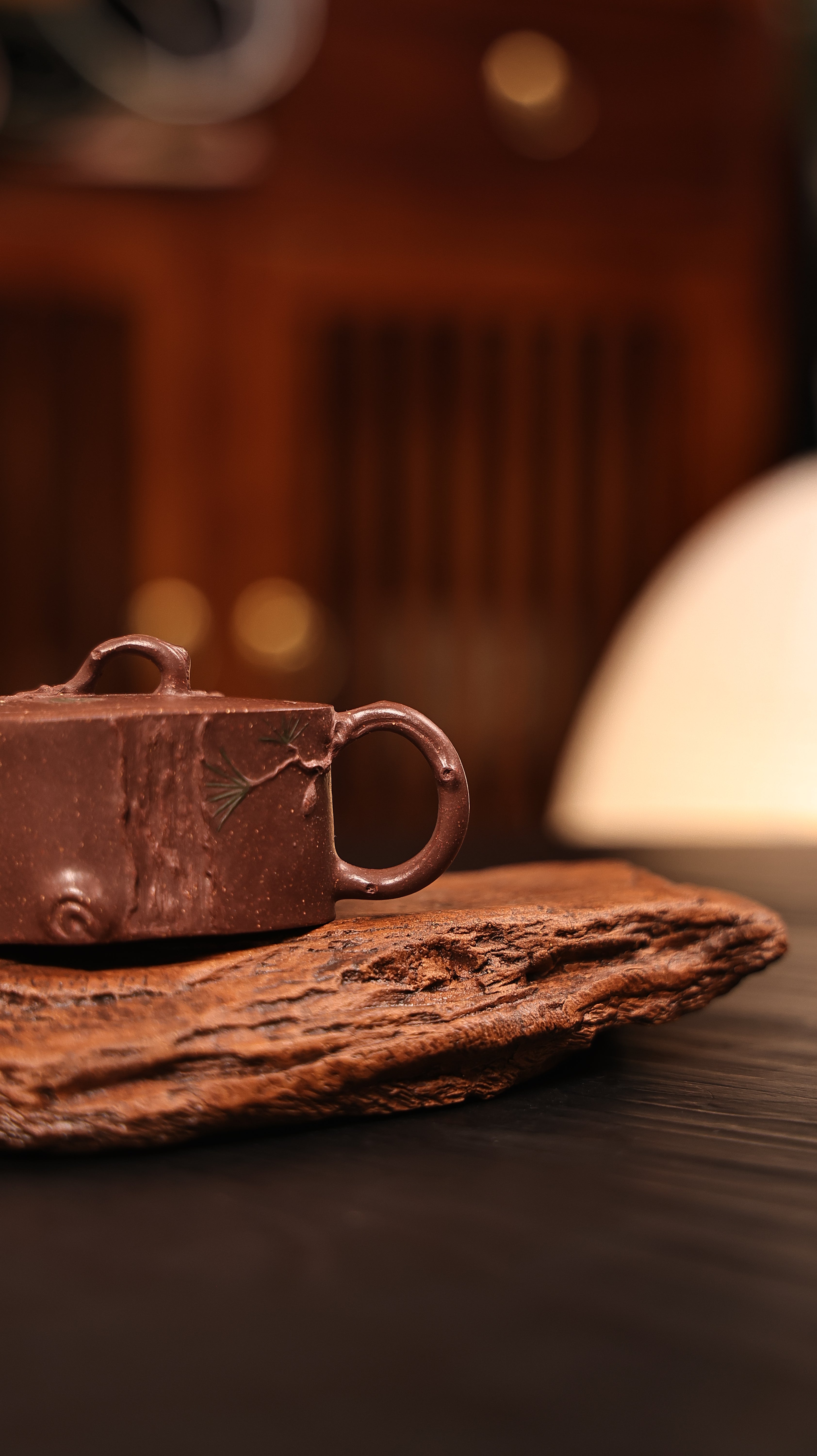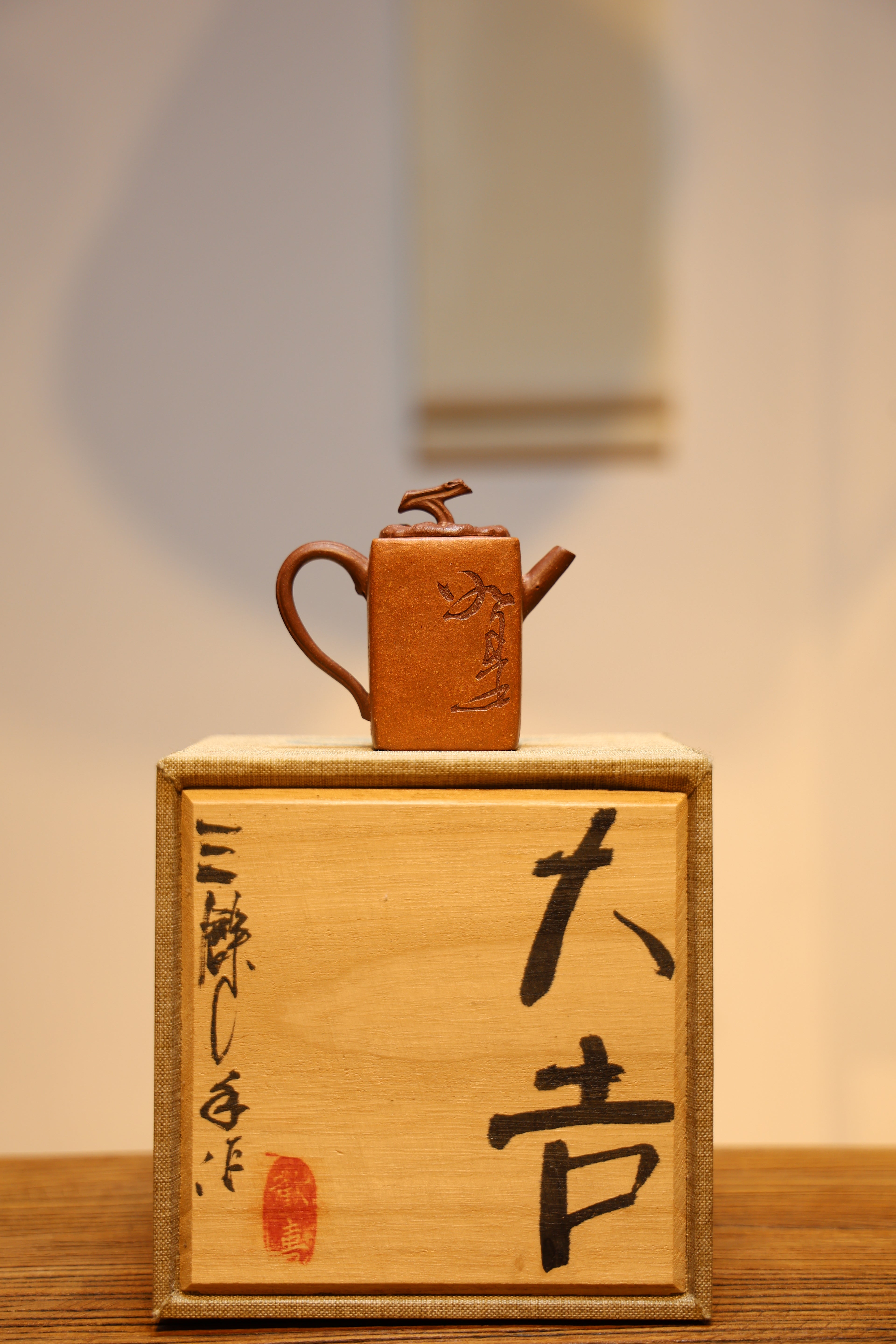
In the realm of timeless legacies,
Within eras, heritage seekers have been enchanted by the extraordinary charm of Yixing Zisha pitchers. Originating from the region of Yixing in the region of Jiangsu, these containers are renowned for their exceptional beauty, scarce clay, and natural ability to augment the essence of the concoction. The substratum's distinctive purple-red hue, combined with the skillful craftsmanship of regional makers, creates pieces that are simultaneously functional crafts and esteemed valuables. Gaining a Zisha teapot is more than just every purchase; it's welcoming a rich ethnic heritage.
Unraveling Yixing Teapots: Chronicles, Kinds, and Significance
The renowned Yixing teapots stand as a profound past deeply intertwined with Chinese culture. Stemming in the Yixing region of Jiangsu province, these clay vessels possess a heritage stretching back to the Ming Dynasty. Initial examples were functional, but throughout centuries, Yixing teapot building evolved into an esteemed art form. The clay itself, known for its unique vitality and ability to raise the flavor of the tea, endures a defining factor. Yixing teapots appear in various forms, broadly categorized by shape: Classic such as Zhuni (purple clay) and Bisheng, as well as refined designs. The esteem of a Yixing teapot rests on several factors, including the potter’s name, the age of the piece, the rarity of the clay, and its aesthetic quality.- Story: Prime eras
- Soil: Multiple varieties
- Pricing Criteria: Artisan fame
Zisha Pot Excellence: Craft and Creators
Particular formation of a superior Zisha teapot is a complex process, requiring extensive times of proficiency. Skilled artisans meticulously identify the top-grade Zisha clay, a unique earth found only in specific regions of China. Heritage-based techniques, often handed down through families, involve precise shaping, fine carving, and gradual firing in ancient incinerators. The ultimate teapot isn't merely a vessel; it's a testament to inventive vision and the significant connection between the fabricator and their roots. Each artifact showcases the distinctive touch of the maker, resulting in a truly incomparable work of craft.
Classical Ceramics: Surveying the Abundant Traditions of Yixing City
Famous Yixing, found in Jiangsu the province of Purple Clay Teapot Jiangsu, is broadly renowned for its exceptional cookware – a tangible representation of centuries of Chinese tradition. These aren't merely vessels for making tea; they are intricate works of craft, often reflecting intellectual ideals. A unique purple clay, known as Zisha, possesses extraordinary qualities: the matter dense, permeable, and imparts a subtle nuance to the tea.
- Several ancestries have honed the techniques of Yixing teapot making, passing down preserved methods through times.
- Enthusiasts prize these pieces for their loveliness and rareness.
- Some jar tells a story, connecting the enjoyer to a rich tradition.
Engaging in Yixing Zisha: Essential Tips
As examining get Yixing Zisha teapots, various criteria command careful assessment. To begin with, the element's pigment is essential; authentic Zisha typically exhibits a unique rust-colored nuance. Besides, consider the handiwork; well-defined markings and a elegant overlay reveal proficient craft. Concluding, research the maker’s background; esteemed names command increased values and often provide a stable return.
The Art of Brewing Tea with a Zisha Teapot
Preparing exquisite tea with a Zisha vessel is more greater than a simple ritual; it's an art. Zisha clay, renowned for its unique structural composition, imparts a elegant character to the crafted tea that’s often deficient with other utensils. The ideal water level is required; typically, gentler than what's used for black tea, to maintain the tea's fragrance and zest. Consider conscientiously the tea breed; delicate green teas or aged pu-erhs excel from the Zisha’s ability to tone down their intrinsic edge. It’s significant to purify the teapot leading up to brewing, and to shun over-steeping. Mastering this skill leads to a undeniably exceptional tea episode.
- Learning Zisha Clay
- Warming Level & Kind of Tea
- Significance of Pre-heating
Caring for Your Esteemed Earthenware
So as to ensure the persistence of your cherished Yixing vessel, ongoing management is truly essential. Shun using soapsuds; instead, gently purify it with lukewarm water. Escape significant shifts; refrain lay the teapot directly onto a burning burner. Periodically, strengthen the kettle by brewing it with top-notch black concoction, as this contributes to boost its flavor and conserves the inimitable essentials of the earth.
With respect to Material to Receptacle: The Progression of a Classic Container
A creation of a Zisha teapot is a intriguing system, a demonstration to both the environment’s bounty and the expertise of the fabricator. It begins with the precise extraction of the rare clay from the reddish Zisha mines neighboring Yixing. This raw material, known for its remarkable essences, is then gradually filtered and organized for the primary forming. The urn’s shape is adeptly assembled using a combination of classical sculpting methods, often incorporating detailed ornaments. Following hardening, the pot undergoes a crucial first firing, complemented by a layering stage, which might involve several layers of earthy Zisha overlays. Finally, a second, and sometimes third, firing at maximum temperatures brings the work, revealing its conclusive beauty and superlative characteristics - a honest masterpiece, ready to enhance a tea event.
{Yixing Teapots: A Manifestation of a Way of Life and Appreciation
The Yixing region teapots, originating from the well-known Yixing region of Jiangsu province, are far more than mere wares for brewing liquids; they represent a meaningful aspect of Chinese society. Manufactured from distinctive purple clay – zisha – these unique teapots are highly valued for their ability to improve the flavor of the tea and, crucially, for their artistic merit. The tradition of Yixing teapot making spans centuries, and the talent involved is bequeathed through generations, making each teapot a craftwork that embodies heritage-bound techniques and a profound appreciation for the elegant pleasures in life.